Specialty Courses

BOAT Diver

If you’ve never dived from a boat before or want to learn more about how to dive from different types of boats, sign up for a PADI® Boat Diver course. In two dives with an instructor, you will learn nautical terms, how to behave on a boat and how to cast lines and/or set a signal buoy.

Digital underwater photographer

In the PADI® Digital Underwater Photographer course, you’ll learn how to take underwater photos that you’ll be proud to share. Avoid rookie mistakes and shorten the learning curve with pro tips. You’ll learn how to use underwater lights (and strobe lights), avoid scattering effects, and enhance colors.

Drift Diver

Diving with the current feels like you’re flying underwater. In the PADI® Drift Diver course, you’ll learn important tips from an experienced instructor and practice your buoyancy skills, navigation, buddy communication and the use of surface signal buoys.  

Nitrox Kurs

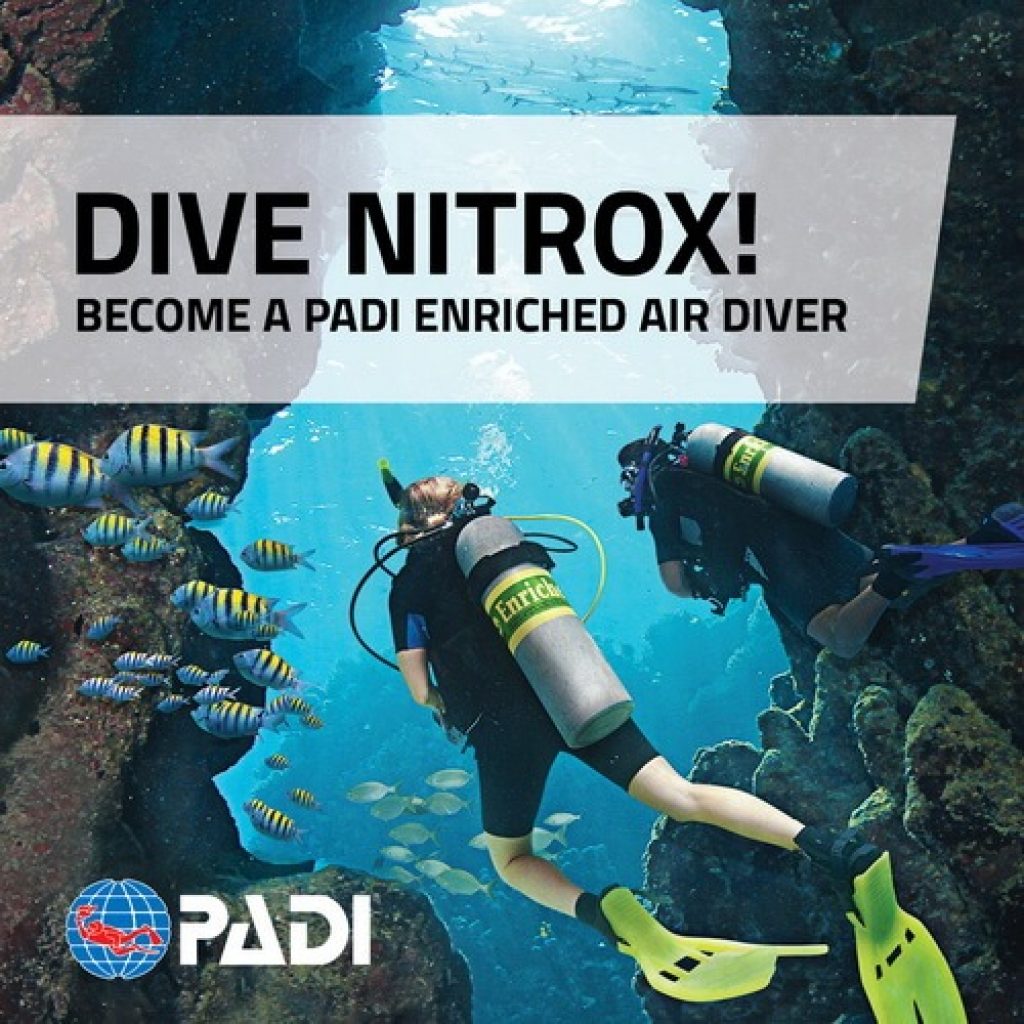
The Nitrox course is the most popular of all specialty courses. Why? Diving with Nitrox gives you more no-decompression time, especially on repetitive dives, and you can enjoy your underwater adventures for longer. In addition, the body absorbs less nitrogen and you dive healthier. This course is a must for all divers!

PADI Adaptive Support Diver

Do you want to learn how to best support a dive buddy who has a physical or mental challenge? The PADI® Adaptive Support Diver course will increase your awareness of divers’ varying abilities, and explores adaptive techniques to apply while diving or freediving with a buddy with a disability. Duration Half day Who should take this course? PADI Open Water Divers or PADI Freedivers who are at least 15 years old and have completed the EFR Primary and Secondary Care course within 24 months are eligible to take the PADI Adaptive Support Diver course. It is also recommended that you complete the PADI Peak Performance Buoyancy course beforehand so that you have better awareness of trim. Academic Through knowledge development and two diving workshops — one in confined water and one in open water — you’ll learn useful techniques that will increase your ability to become a better dive partner to a diver with a disability. You’ll gain insight and practical experience as you learn about: 1. Becoming more aware and mindful of individual considerations when diving with people with disabilities. 2. Adaptive techniques that can be applied while diving with buddies with mental and/or physical challenges. Equipment Along with your basic scuba or freediving equipment, your PADI Instructor may suggest additional gear to assist with your buddy’s particular needs Discounted rate for online booking. Note: study materials and certification fee are not included. Please add them to your shopping cart, only if you have not already purchased them in any other way
PADI Deep Diver

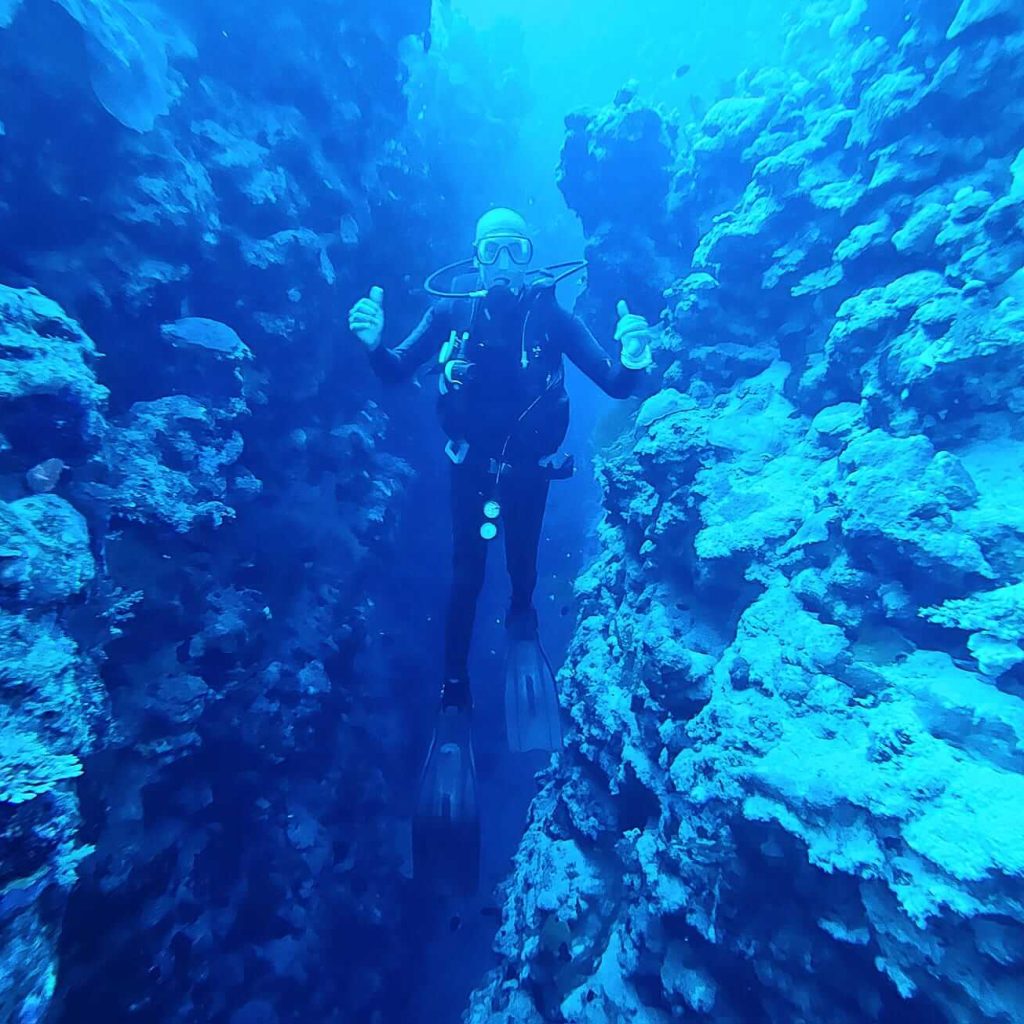
The lure of the deep. There’s something exciting and mysterious about exploring deeper dive sites while scuba diving. Sometimes it’s a wreck that attracts you below 18 meters/60 feet, and on wall dives it may be a giant fan or sponge. Whatever it is, to scuba dive with confidence at depths down to 40 meters/130 feet, you should take the PADI Deep Diver Specialty course. Duration: 2 days Who should take this course? If you’ve earned the PADI Adventure Diver rating or higher, and you’re at least 15 years old, you can enroll in the Deep Diver course. Academic: Your training starts by reviewing reasons for deep diving and how important it is to know your personal limits. During four deep dives with your instructor, you’ll go over: Specialized deep diving equipment. Deep dive planning, buddy contact procedures and buoyancy control. Managing your gas supply, dealing with gas narcosis and safety considerations. Equipment: You’ll need a dive computer along with the rest of your basic scuba equipment. A dive light and slate are also recommended. Discounted rate for online booking. Note: study materials and certification fee are not included. Please add them to your shopping cart, only if you have not already purchased them in any other way
PADI Night Diver

The thought of dipping below the surface at night seems mysterious, yet so alluring. Although you’ve been scuba diving at a site many times before, at night you drop into a whole new world and watch it come to life under the glow of your dive light. The scene changes as day creatures retire and nocturnal organisms emerge. If you’ve wondered what happens underwater after the sun goes down, sign up for the PADI Night Diver Specialty course. Duration: 3-night dives Who should take this course? PADI (Junior) Open Water Divers or higher, who are at least 12 years old, can enroll in the Night Diver specialty course. Academic: Scuba diving at night teaches you to focus on what you can see in your light’s beam, on controlling your buoyancy by feel, on staying with your buddy and on paying attention to details you may overlook during the day. During three-night dives, you’ll practice: * Light handling and communication techniques. * Entering, exiting and navigating in the dark. * Identifying how plants and animals differ or change behavior at night. Equipment: Along with your basic scuba equipment, you’ll need a dive light Discounted rate for online booking. Note: study materials and certification fee are not included. Please add them to your shopping cart, only if you have not already purchased them in any other way
PADI Wreck Diver

Whether purpose-sunk as an artificial reef for scuba divers, or lost as the result of an accident, wrecks are fascinating windows to the past. Ships, airplanes and even cars are fascinating to explore and usually teem with aquatic life. Each wreck dive offers a chance for discovery, potentially unlocking a mystery or spying something others have missed. The PADI Wreck Diver Specialty course is popular because it offers rewarding adventures while observing responsible wreck diving practices. Duration: 2 days Who should take this course? If you’re at least 15 years old and have earned a PADI Adventure Diver certification or higher, you can enroll in the Wreck Diver Specialty course. Academic: There are many different types of wrecks, some of which are protected by laws that guard their historical and cultural significance. Your training starts by reviewing guidelines for researching and respecting wrecks. During four dives you’ll learn: Safety considerations for navigating and exploring wrecks. Surveying and mapping a wreck. Using penetration lines and reels to guide exploration. Techniques to avoid kicking up silt or disturbing the wreck and its inhabitants. Equipment: You’ll need your basic scuba equipment, plus a dive light to see into the wreck, a slate and underwater compass for mapping and navigation, and a line and reel for practicing wreck penetration. Discounted rate for online booking. Note: study materials and certification fee are not included. Please add them to your shopping cart, only if you have not already purchased them in any other way
Peak Performance buoyancy

Excellent buoyancy control is a good way to recognize good divers. You’ve seen them underwater: they glide along effortlessly, consume hardly any air, float on the spot, and appear to be up and down only by the power of thought. You can observe underwater creatures better because they don’t wave around. You can do that too! With the PADI Peak Performance Buoyancy Specialty course, you’ll improve your buoyancy skills and take them to the next level.  

Search and Recovery Diver

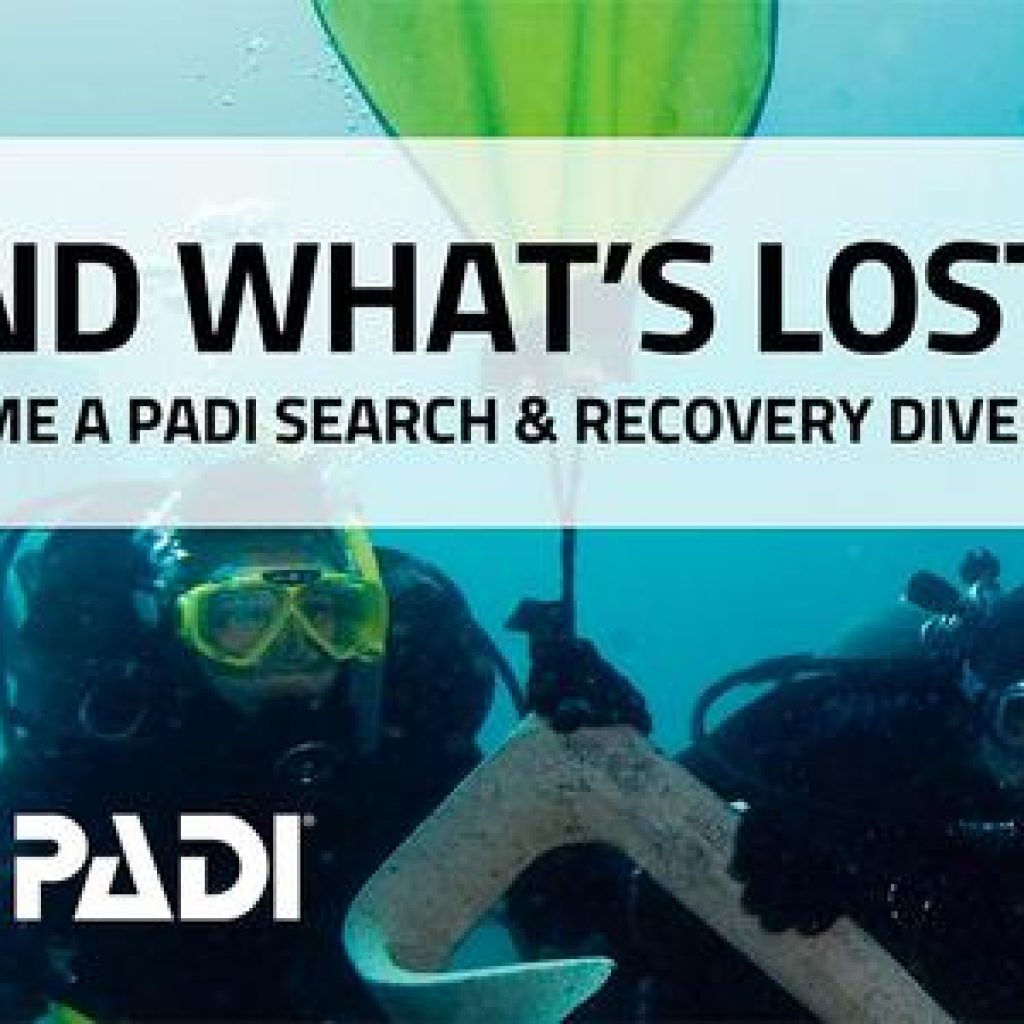
In the PADI® Search and Recovery course, you’ll learn how to find lost items underwater. You will practice different underwater search patterns, learn to use a lift bag and plan and execute search and recovery actions.  

Sidemount Diver

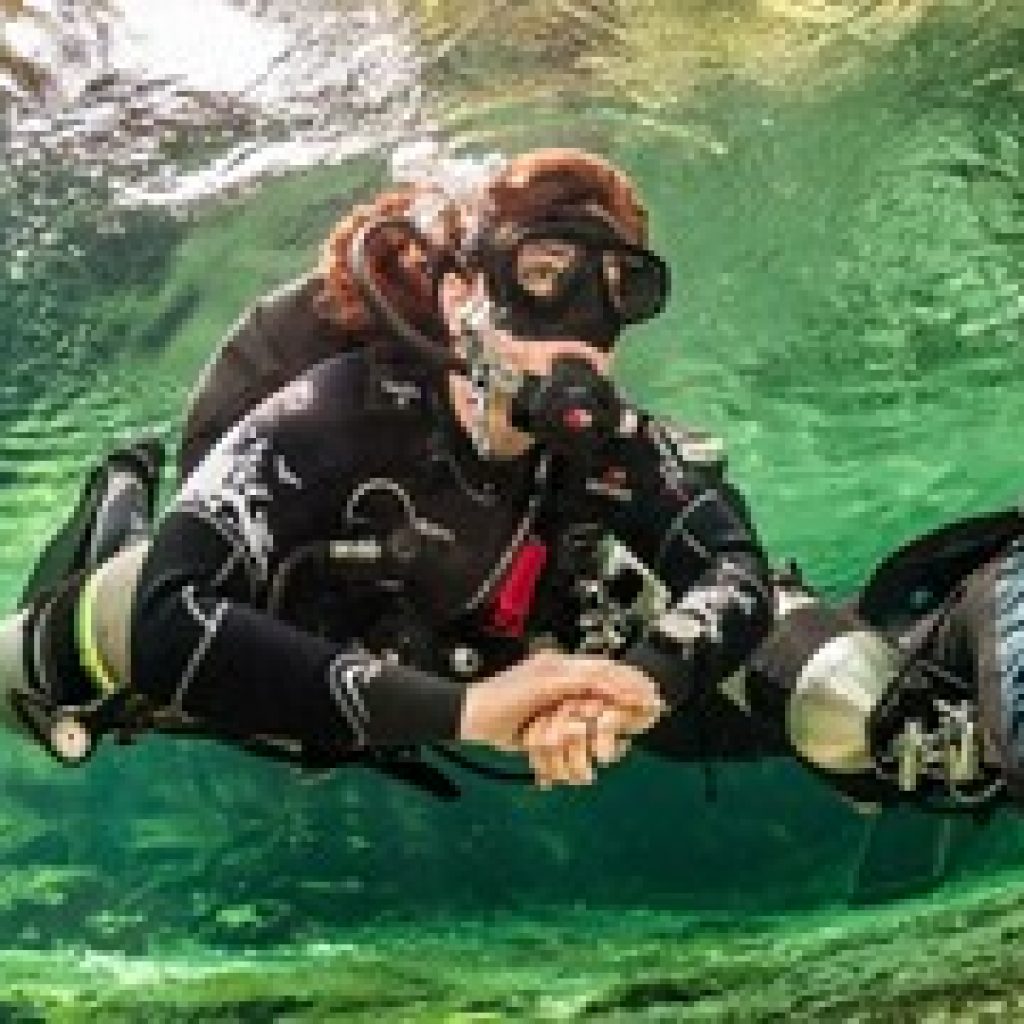
You don’t necessarily have to carry the scuba tank on your back to explore the underwater world. Many divers have found that it is more convenient for them to carry their tank(s) on the side. Sidemount diving gives you more flexible options and options to improve your streamlining. Plus, you don’t have to walk around with heavy tanks on your back — just get in the water, attach the tank(s) and you’re good to go. Does this sound interesting to you? Then sign up for a PADI Sidemount Diver Specialty course.